Plastic Sheet Materials for Fabrication vs Metals: Pros and Cons
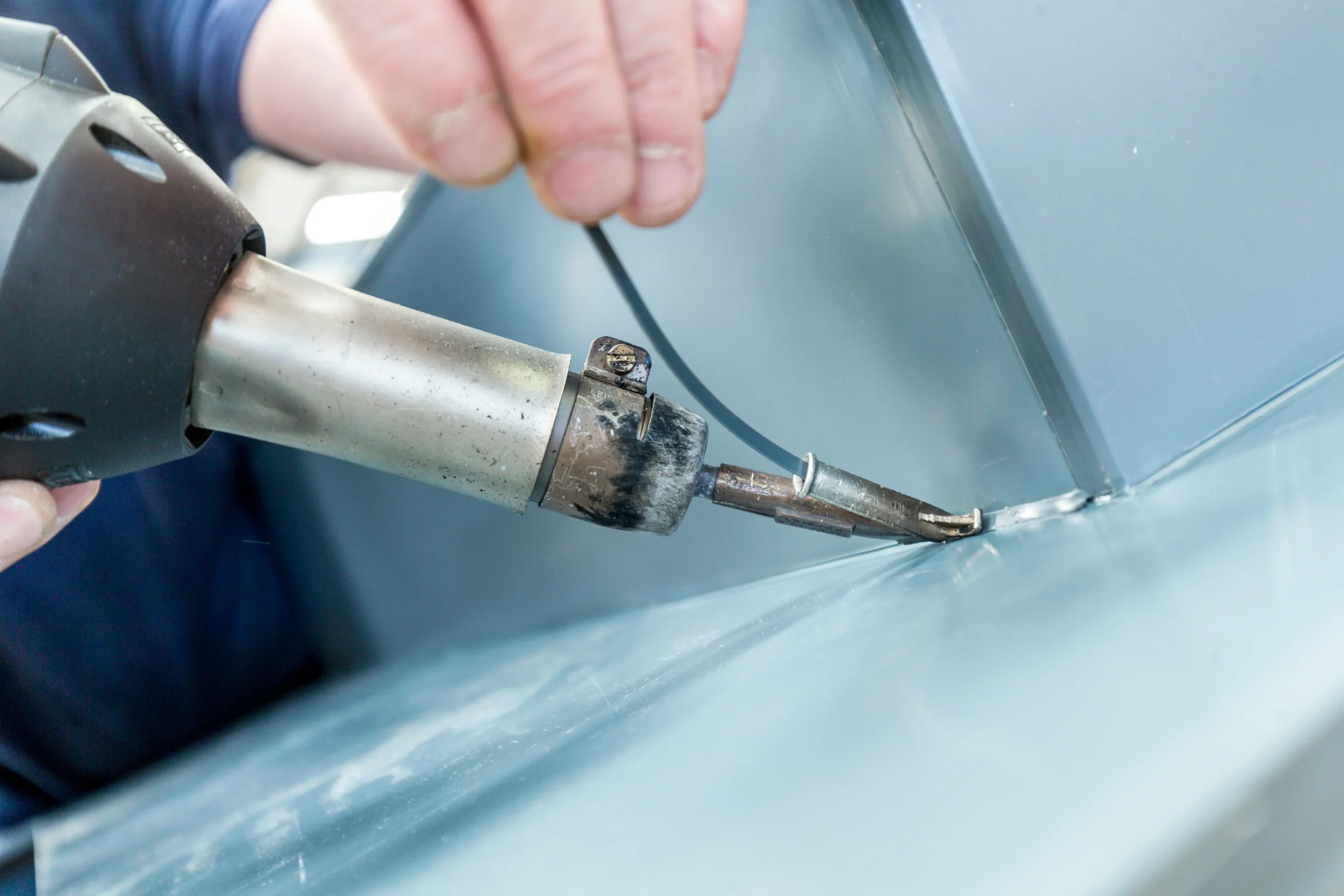
When choosing materials for a fabrication project, it’s important to consider factors such as strength, durability, weight and cost. While metals have long been the standard choice, plastic sheet materials for fabrication are becoming increasingly popular across a wide range of industries.
At Oadby Plastics, we supply a comprehensive range of engineering plastics and plastic sheets to manufacturers, engineers and fabricators throughout the UK. Whether you’re producing machined components, guards or bespoke fabricated parts, selecting the right material can help to improve both performance and efficiency.
Engineering plastic sheets are designed to withstand demanding environments while offering benefits that traditional materials often cannot.
Compared with metal, engineering plastics are typically lighter, resistant to corrosion and easier to machine. Materials such as Acetal (POM), Nylon, UHMWPE, Polycarbonate and PVC are commonly used for industrial fabrication due to their excellent wear resistance, dimensional stability and long service life.
But not every engineering plastic has the same properties. For example, Acetal is often chosen for dimensional stability, Nylon and UHMWPE for wear and low-friction applications, Polycarbonate for impact-resistant guards, and PVC for chemical-resistant fabrication.
Choosing between plastic and metal depends on your application’s requirements. Here’s how they compare:
Weight – Engineering plastic sheets are significantly lighter than metal, making them easier to transport, machine and install. Their lower weight can also improve equipment efficiency and reduce handling costs.
Corrosion resistance – Unlike many metals, engineering plastics won’t rust and offer excellent resistance to moisture, chemicals and harsh environments. This makes them ideal for marine, food processing and outdoor applications.
Strength – Metals remain the best choice for applications requiring high structural strength or heavy load-bearing capacity.
However, engineering plastics provide more than enough strength for many industrial components while offering additional benefits such as reduced weight and low friction.
Machinability – Plastic sheets are generally easy to cut, drill and machine into complex components, often reducing production time and tool wear.
If you require bespoke components, our plastic fabrication services can help deliver precision-engineered solutions tailored to your requirements.
Temperature resistance – For applications involving prolonged exposure to extreme temperatures, metals generally outperform engineering plastics.
However, many engineering-grade plastics are suitable for demanding industrial environments where moderate heat resistance is required.
When are engineering plastic sheets the better choice?
Plastic sheet materials are ideal when your project requires:
These properties make engineering plastics a popular choice across manufacturing, food processing, construction, pharmaceuticals and packaging industries.
Metal remains the preferred option for projects involving:
In many cases, however, replacing metal components with engineering plastics can reduce maintenance, improve efficiency and extend component lifespan.
With decades of experience, Oadby Plastics supplies high-quality plastic sheets, plastic rods and plastic tubes to customers across the UK, with fabrication support available for bespoke components. Our experienced team are available to recommend the most suitable material based on your application’s performance requirements, helping you achieve reliable, long-lasting results.
Both engineering plastic sheets and metals have their place in modern fabrication. While metals remain essential for heavy-duty structural applications, plastic sheet materials for fabrication offer significant advantages in terms of weight, corrosion resistance, machinability and overall cost efficiency.
If you’re unsure which material is right for your application, contact our team today – we’ll help you select the best engineering plastic solution for your fabrication project.