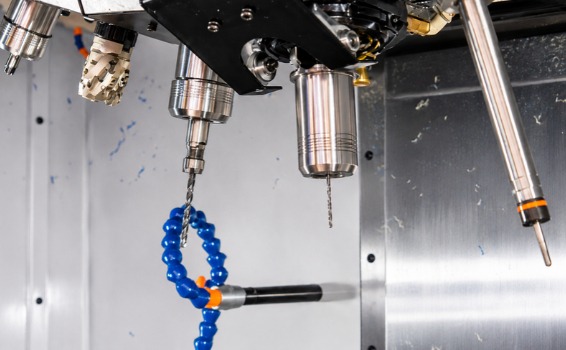
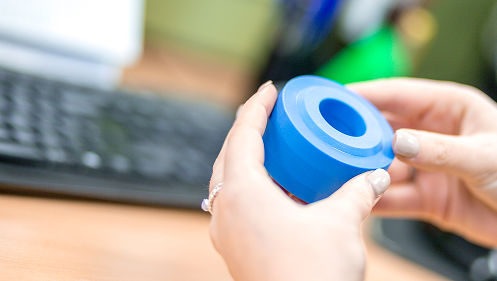
Material choice can directly affect CNC plastic machining time, tool wear, surface finish and overall component cost. A plastic that machines cleanly and remains dimensionally stable may require fewer passes and less finishing. A more demanding material may need specialist tooling, slower machining or additional quality checks.
The lowest-cost material is therefore not always the most economical choice. By considering the right engineering plastic, this will help with material price, machinability and performance in the finished application.
What determines CNC plastic machining costs?
CNC plastic machining costs are influenced by several factors:
- Raw material type, grade and stock size
- Component dimensions and geometry
- Required tolerances and surface finish
- Number of machining operations
- Tooling requirements
- Production volume
- Inspection and documentation
- Material waste
Material selection affects many of these factors. It can determine how quickly material can be removed, how securely the part can be held and whether it remains stable during and after machining.
How does machinability affect production time?
A material with good machinability can support efficient cutting. Other plastics may generate heat, flex during machining or require careful support. These characteristics can increase machining time or require additional operations. Some reinforced or filled engineering plastics can also be more abrasive than unfilled grades. This may increase tool wear and the need for tool changes. Material behaviour should be considered during initial component design, quoting and production planning.
How do common engineering plastics compare?
Acetal
Acetal is widely used for precision-machined components because it offers good machinability and dimensional stability. It is commonly considered for gears, bearings, bushes and other accurate mechanical parts.
Nylon
Nylon offers toughness and wear resistance, making it useful for rollers, gears and wear components. However, moisture absorption can affect dimensions, so the grade and operating environment must be considered where close tolerances are required.
UHMW-PE
UHMW-PE provides low friction and abrasion resistance for components such as guides, liners and wear strips. Its flexibility and thermal behaviour may require suitable machining methods.
PEEK
PEEK is selected for demanding applications involving heat, chemicals or mechanical loads. Although it can produce high-performance components, the material cost makes efficient design, stock selection and waste reduction particularly important.
Can the right material reduce machining costs?
By selecting a material that suits both the application, and the manufacturing process can help to reduce unnecessary machining time and waste.
- Define the actual load, temperature and chemical exposure
- Specify tolerances when needed
- Choose an appropriate sheet, rod or tube size
- Avoid unnecessary complexity in the initial component design
- Consider production volume and repeatability
- Research material selection before finalising the drawing
Ready to discuss your requirements?
By working with Oadby Plastics, we can work together to identify materials that meet the application requirements while remaining practical to machine. We can also highlight potential issues involving tolerance, moisture, heat or material availability before production begins.
We support customers from material selection through to finished components. Our capabilities include extensive plastic stockholding, CNC milling, turning and routing, precision cutting, grinding, fabrication, technical support and nationwide delivery. Our services cover semi-finished stock and bespoke machined parts for prototypes and repeat production.
Use our Product Finder or speak to our experienced team to discuss the most suitable material and manufacturing route for your component.