Material innovation is helping manufacturers to create components that are lighter, more durable and better suited to demanding environments. Developments in engineering plastics, specialist grades and recycled-content materials give businesses more ways to improve performance, reduce maintenance and support sustainability objectives.
What is material innovation?
Material innovation is the development or improvement of materials to deliver specific performance, manufacturing or environmental benefits.
In plastics, this can include:
- Greater wear or chemical resistance
- Improved dimensional stability
- Lower friction
- Reduced component weight
- Electrical or thermal properties
- Detectable or anti-static grades
- Recycled or bio-based content
- Improved machining and fabrication options
These developments allow engineers to select materials based on the application rather than relying on a limited range of traditional choices, such as metal or glass.
How are engineering plastics changing manufacturing?
Engineering plastics are designed for more demanding applications than standard plastics. Materials such as nylon, acetal, PET, UHMW-PE, PTFE and PEEK can provide different combinations of strength, wear resistance, machinability and chemical resistance.
They are used for components including:
- Bearings, bushes and gears
- Rollers and wear pads
- Conveyor guides and wear strips
- Machine guards
- Electrical insulators
- Seals and valve components
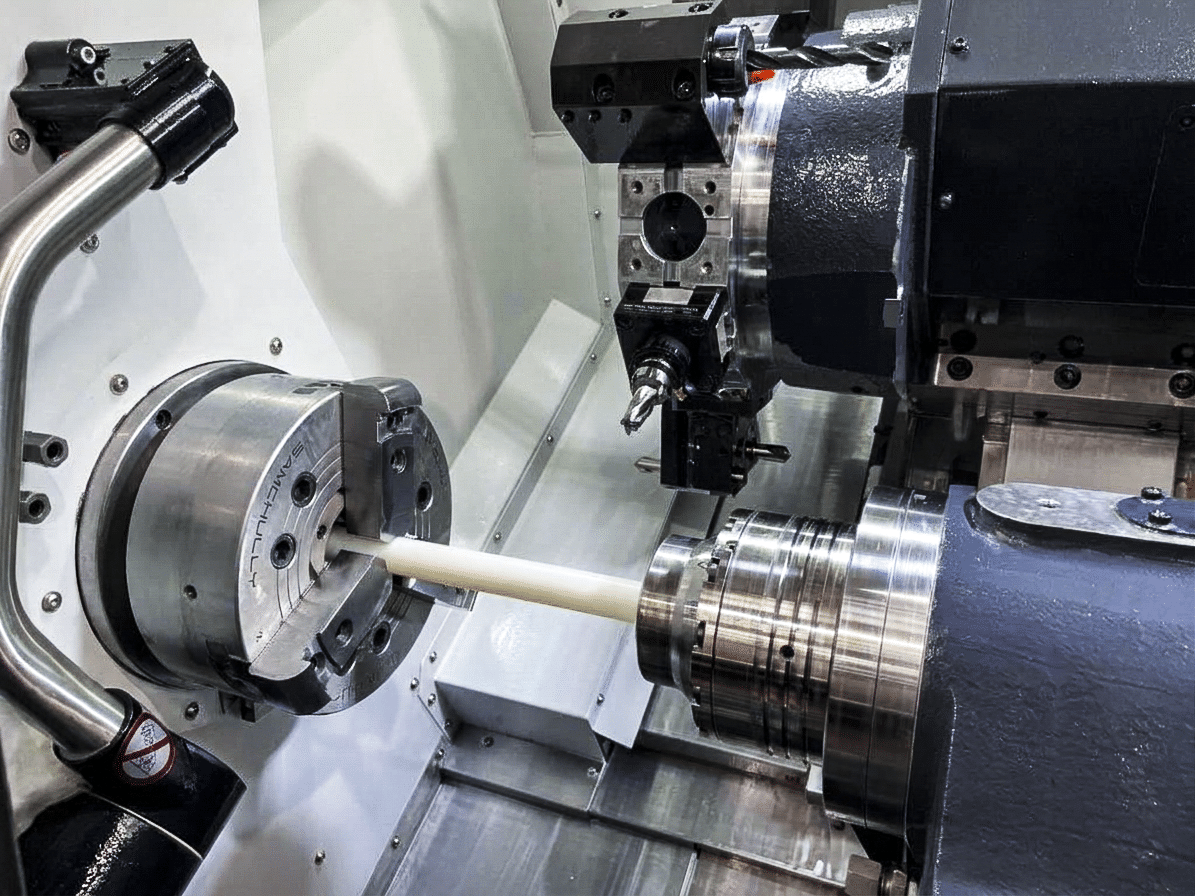
- Precision-machined parts
- Fabricated tanks and ducting
In suitable applications, engineering plastics can replace metal, glass or other conventional materials. The advantages in choosing engineering plastics can include lower weight, corrosion resistance, electrical insulation and reduced noise. However, any substitution should be assessed against the complete operating environment.
What are high-performance plastics?
High-performance plastics are specialist polymers developed for challenging mechanical, thermal, chemical or electrical conditions.
PEEK, for example, may be considered for demanding components where a combination of mechanical performance, chemical resistance and temperature capability is required. Other types of high-performance plastics can offer low friction, enhanced wear behaviour or improved dimensional stability.
These materials may not be necessary for every application. A standard engineering plastic may provide a more economical solution when the operating conditions are less demanding. Making informed material choices means selecting the right level of performance for the application, rather than simply opting for the most advanced material available.
How are specialist grades solving industry challenges?
Material development increasingly focuses on specific industries and operating risks.
Food and beverage manufacturers can access suitable food-contact and metal-detectable grades for certain processing applications. Anti-static or electrically dissipative plastics may help control electrical charge in sensitive environments. Low-friction and wear-resistant grades can support smoother movement in conveyors, packaging machinery and automated equipment.
Transparent materials such as polycarbonate, PETG and acrylic also provide different options for machine guarding, inspection panels, glazing and display applications.
The correct grade depends on factors including load, temperature, chemicals, moisture, friction and regulatory requirements.
Can material innovation support sustainable manufacturing?
Yes, material innovation can support sustainability through recycled content, bio-based feedstocks, longer-lasting components and more efficient use of raw materials.
Oadby Plastics supplies regenerated materials alongside the Sterra range of sustainable engineering plastics. Available options include specialist PEEK, PET-P, POM-C and UHMW-PE grades, which are designed to help businesses consider lower-impact alternatives.
A sustainable material must still meet the applications’ requirements. Review performance, service life, machinability, and any relevant industry compliance requirements before changing grades.
Supporting material innovation from concept to component
We combine extensive plastic stockholding with technical guidance, CNC machining, cutting, grinding, fabrication and nationwide delivery. This allows customers to progress from early material selection to semi-finished stock, prototypes and repeat-production components.
Use the Product Finder or speak to our expert team to explore materials suited to your application.