How CNC Plastic Machining Supports Precision Engineering
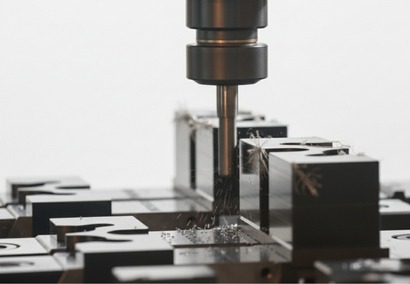
CNC plastic machining supports precision engineering by producing accurate, repeatable plastic components for machinery, equipment and specialist industrial applications. It allows engineers to specify parts from materials such as acetal, nylon, PTFE, polyethylene and PEEK, then machine them to suit the required function, fit and operating environment.
For manufacturers, design engineers and maintenance teams, CNC-machined plastic parts can offer a practical route to lightweight, corrosion-resistant and application-specific components.
At Oadby Plastics, our in-house CNC milling, turning and routing capabilities support everything from one-off prototypes to repeat production runs.
Precision engineering depends on components that perform consistently. In many applications, engineering plastics are selected because they can provide useful mechanical, thermal, friction or chemical-resistance properties while also being easier to adapt for specific part designs.
CNC plastic machining is often used where a component needs:
Plastic is not always the right replacement for metal, but in the right application, it can solve practical engineering problems.
CNC plastic machining is the process of cutting engineering plastics using computer-controlled machinery. The machine follows a programmed tool path to mill, turn, drill, profile or route a plastic material into the required component.
It is commonly used to manufacture:
As CNC machining does not usually require dedicated mould tooling, it is suitable for prototypes, small batches, repeat production, repair parts, and bespoke precision components.
CNC plastic machining supports precision engineering by giving engineers a way to produce functional parts from a wide range of engineering plastics.
Typical uses include:
| Precision engineering requirement | How CNC plastic machining can help |
| Accurate fit | Parts can be machined to suit drawings, assemblies or sample components |
| Repeatability | CNC programming supports consistent batch production |
| Material performance | Engineering plastics can be selected for wear, friction, chemical or temperature needs |
| Design flexibility | Features such as slots, pockets, holes and profiles can be machined accurately |
| Weight reduction | Plastic components can reduce the weight of assemblies |
| Maintenance support | Replacement parts can be produced for machinery and equipment |
| Reverse Engineering | Where drawings are unavailable, reverse engineering support can help recreate worn or obsolete plastic parts from samples |
| Prototyping | Designs can be tested before committing to larger production volumes |
The importance of material selection
In precision engineering, the material is as important as the machining process. A well-machined part can still fail to perform if the plastic is not suitable for the load, movement, temperature or environment.
Common CNC-machined plastics include:
Acetal is often used for precision-machined plastic components because it offers good dimensional stability and a clean machined finish. It is commonly considered for gears, rollers, bushes, spacers and mechanical parts.
Nylon is used where toughness, strength and wear resistance are important. It can be suitable for rollers, bearings, guides and machine components, although moisture absorption should be considered during specification.
PTFE is known for very low friction and chemical resistance. It can be used for slide plates, seals and parts where low-friction movement is important. Its softer nature means design and tolerance requirements should be reviewed carefully.
Polyethylene grades, including PE 1000/UHMW-PE are often used for impact-resistant, low-friction and chemically resistant components. They are common in conveyor, handling, food processing and lining applications.
PEEK is a high-performance engineering plastic used where more demanding thermal, mechanical or chemical resistance may be needed. It is typically specified for specialist applications where standard engineering plastics are not suitable.
Different machining processes are used depending on the part’s shape and function.
CNC milling is used to produce parts with pockets, slots, holes, profiles and multiple machined faces. It is suitable for a wide range of precision plastic components, including jigs, fixtures, guides and machine parts.
CNC turning is used for cylindrical components such as bushes, rollers, sleeves and spacers. It is often selected where round parts need consistent dimensions and repeatable production.
CNC routing is often used for sheet-based components, larger profiles, guards and panels. It can support precision cutting of flat plastic parts for industrial and engineering applications.
Machining plastics is different from machining metals because each material responds differently to cutting, heat and pressure. Some plastics can expand, move or absorb moisture, which may affect the finished dimensions if the wrong grade or machining approach is used.
Heat build-up also needs to be carefully managed, as excessive heat can affect the surface finish, dimensional accuracy or performance of the finished component. Tool choice, cutting speeds, feed rates and work holding all play important roles in achieving a clean, accurate result.
This is why material selection should be considered before machining begins. Choosing the right plastic grade for the application, tolerance requirements, and operating environment helps ensure the finished part performs as intended.
CNC-machined plastic components are used across manufacturing, automation, packaging, food processing, healthcare, construction, agriculture, automotive, marine and plant machinery.
Components such as:
Each application should be reviewed based on the operating environment, load, movement, cleaning regime, required accuracy and expected service conditions.
When requesting a CNC-machined plastic part, it helps to provide as much practical information as possible.
Useful details include:
If the material has not been chosen, our expert team will help review the application and suggest suitable engineering plastics to consider.
CNC plastic machining supports precision engineering by combining accurate manufacturing with the practical advantages of engineering plastics. It is used to produce components that need to fit, move, guide, protect, insulate or withstand demanding industrial conditions.
For the best result, material selection, machining method and application requirements should be considered together. Speak to us now for expert guidance on CNC-machined plastic parts. Use our Product Finder to explore suitable engineering plastics, or contact the team with a drawing, CAD file or sample part for your next project.