Why Are Manufacturers Switching From Metal To Plastic?
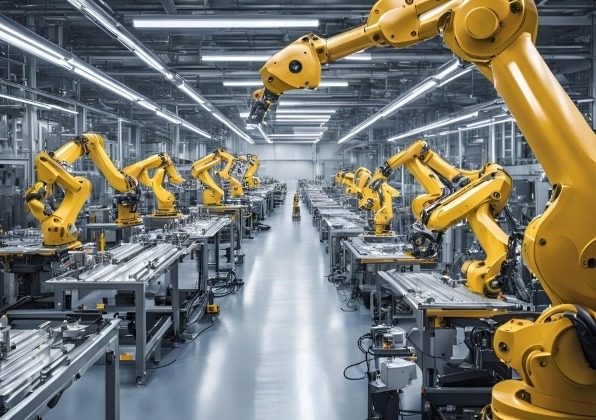
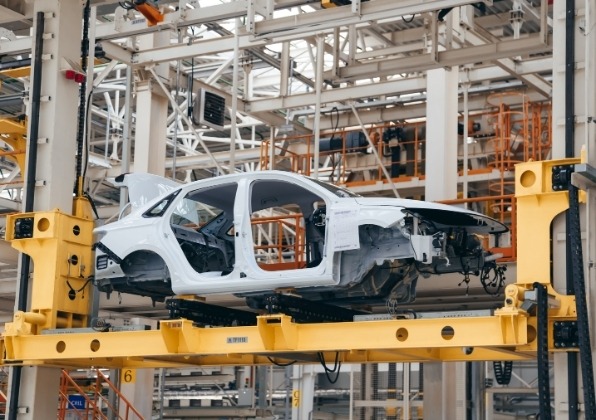
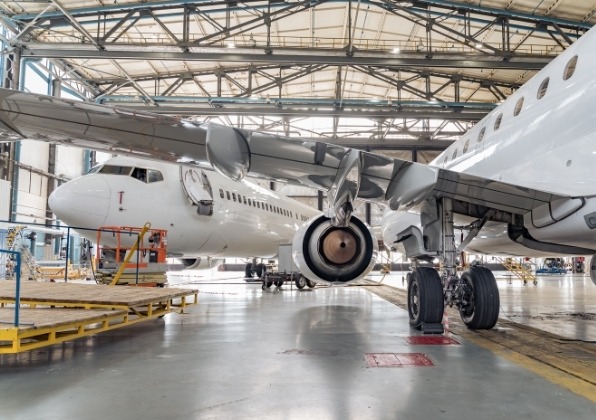
Manufacturers across a wide range of industries are increasingly replacing metal components with high-performance plastics. From automotive and aerospace to food processing and electronics, engineering plastics are helping businesses to reduce costs, improve efficiency, and achieve greater design flexibility.
At Oadby Plastics, we supply engineering plastics designed to meet the demands of modern industrial applications. As material technology advances, more businesses are recognising the benefits of switching from traditional metals to plastic alternatives.
The rise of engineering plastics
Engineering plastics are specifically developed for demanding industrial environments. Unlike standard consumer plastics, these materials offer impressive strength, wear resistance, chemical resistance, and thermal stability.
Materials such as Nylon, Acetal, PEEK, and Polycarbonate are commonly used as metal replacements because they can withstand high pressure, moisture, friction, and continuous operation.
We supply a wide range of engineering plastics suitable for machining, fabrication, and industrial manufacturing applications, helping businesses identify the right material for their requirements.
Reduced weight improves efficiency
One of the biggest advantages of plastic over metal is that it is significantly lighter.
Plastic components are often much lighter than metal alternatives, which can improve efficiency across multiple sectors. In automotive and aerospace applications, lighter materials contribute to lower fuel consumption and reduced emissions. In manufacturing environments, lightweight components can also make machinery easier to handle, install, and maintain.
By replacing metal with engineering plastics, businesses can improve productivity while reducing strain on equipment.
Lower manufacturing costs
Cost reduction remains a major reason why manufacturers are switching from metal to plastic.
Plastic materials are generally easier and faster to machine or fabricate than metal, helping businesses to reduce production times and labour costs. Many plastics also require less finishing work, such as painting or corrosion treatment, which can then help to further lower manufacturing expenses.
We offer our customers cut-to-size plastic sheets, rods, and machined components that support efficient production processes and minimise material waste.
In many applications, switching to plastic can deliver long-term savings without compromising performance.
Corrosion and chemical resistance
Unlike metals, many engineering plastics do not rust or corrode when exposed to moisture or harsh chemicals.
This makes plastic an ideal solution for industries such as food processing, pharmaceuticals and chemical manufacturing. Materials such as PEEK and Polypropylene are particularly valued for their excellent chemical resistance and hygienic properties.
Using corrosion-resistant plastics can help manufacturers to reduce maintenance requirements, extend equipment lifespan, and improve reliability in demanding environments.
Improved design flexibility
Plastic offers greater design flexibility than many traditional metals.
Complex shapes and intricate components can often be manufactured more efficiently using plastic materials, allowing engineers to create innovative solutions that may be difficult or expensive to achieve with metal.
Engineering plastics are also available with a variety of performance benefits, including:
As a trusted UK supplier, we work with manufacturers across multiple sectors to provide materials tailored to specific applications.
Reduced noise and friction
Many engineering plastics naturally offer low-friction properties, making them ideal for moving parts such as gears, bearings, rollers, and wear strips.
Plastic components often operate more quietly than metal alternatives and may require less lubrication, helping businesses reduce maintenance costs and improve workplace conditions.
Looking to make the switch?
The shift from metal to plastic is helping to transform manufacturing. With advancements in engineering plastics, businesses can now benefit from lightweight, durable, corrosion-resistant materials that help reduce costs and improve performance.
For manufacturers considering metal-to-plastic replacement, get in contact with our expert team today.